
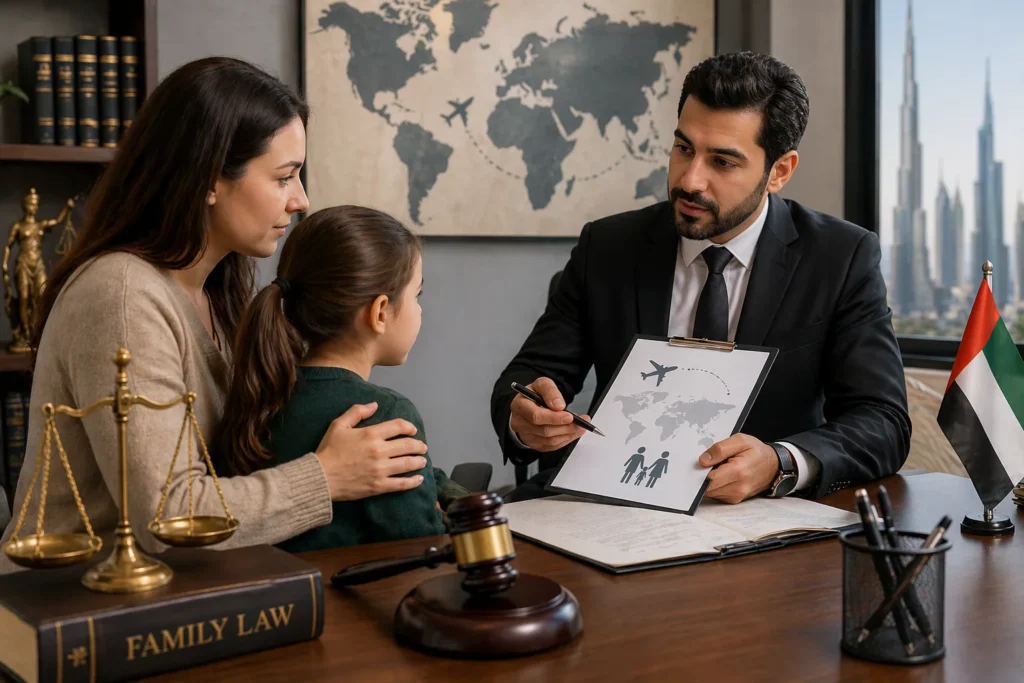
Ever thought about starting fresh in a new country with your child? It sounds like a dream, but it’s full of legal challenges. Parents often dream of exploring the world together, but it’s not easy.
Going through this change needs careful legal planning. You must know the laws about custody in different countries. In places like the United Arab Emirates, the main goal is to keep the child safe.
This guide offers a systematic approach to big decisions. We break it down into steps. This way, families can move smoothly and follow the rules.
Key Takeaways
- Understand the legal framework governing international custody disputes.
- Prioritize the emotional stability and best interests of the minor.
- Consult with specialized legal experts to navigate cross-border regulations.
- Prepare thorough documentation to support your transition plans.
- Keep communication open to reduce conflict during the process.
Understanding the Legal Landscape of Relocation After Divorce: Can You Move Abroad With Your Child?
If you’re thinking about relocation after divorce, you need to understand the legal basics. The UAE’s laws focus a lot on the child’s well-being and stability. Courts believe a steady environment is key for a child’s growth.
Deciding to move abroad with child means asking the court to change custody rules. Judges will look at why you want to move, how it affects the child’s relationship with the other parent, and the new country’s quality of life. It’s not just about moving; it’s a deep legal check on your parenting.
It’s important to know these basics before you start legal steps or make travel plans. You must show the move won’t hurt the other parent’s relationship with the child. But if you don’t get legal approval, you could face big problems like travel bans or custody fights.
The table below shows what courts usually look at when you ask to move after divorce:
| Legal Factor | Primary Consideration | Impact on Decision |
| Child’s Best Interest | Stability and well-being | High priority |
| Parental Consent | Agreement between parties | Critical for approval |
| Visitation Rights | Maintaining contact | Requires a clear plan |
| Educational Needs | Schooling and development | Essential for growth |
Dealing with personal status laws and international custody rules needs careful planning. Whether for work or family reasons, your legal plan must be strong. Focus on what’s best for the child to have a smooth and legal move.
Assessing Your Current Custody Agreement and Court Orders
Starting your journey with international relocation with children means looking closely at your legal papers. Before you plan anything, you must check your current court orders. This step helps you know the rules set by the Personal Status Court in the United Arab Emirates.
Reviewing Existing Visitation Rights
Your visitation schedule is key to your legal rights. You need to see if your move will change the time the other parent gets with the kids. If it does, you might need to change your agreement legally.
It’s important to follow custody relocation guidelines to keep your rights. Make sure to document your current arrangement. This helps you plan for long-distance communication or visits during holidays. Planning ahead can prevent future legal issues.
Identifying Restrictions on International Travel
Many custody orders have rules about traveling abroad with your kids. Look for any clauses that need the other parent’s consent for international trips. Breaking these rules can lead to serious legal problems, like travel bans or being accused of taking the kids abroad without permission.
Also, check if there are travel bans in your case. Knowing these limits is a key first step to avoid legal trouble. By finding these issues early, you can start the legal process to change your custody relocation guidelines smoothly.
Navigating UAE Family Law Regarding Parental Relocation
Planning to move abroad with your child? You need to know the parental relocation laws in the United Arab Emirates. These laws are strict, so make sure your plans fit what the courts expect before you travel.
The Role of the Personal Status Court in the UAE
The Personal Status Court handles family law relocation cases. If you want to move your child internationally, the court will check your request. They make sure both parents’ rights are respected.
The court looks at if the move is really needed and if it follows the current custody plans. You must show that the move won’t hurt the child’s bond with the other parent. You also need to prove you have a plan to keep in touch and that the move isn’t to cut ties with the UAE family.
Understanding the Best Interests of the Child Standard
The main thing judges look at in child custody relocation rules is what’s best for the child. They consider many factors to see if the move will help the child grow and stay stable.
The table below shows what the court looks at when you ask to move:
| Evaluation Factor | Primary Focus | Judicial Goal |
| Educational Stability | Schooling quality | Academic continuity |
| Emotional Well-being | Support systems | Psychological health |
| Parental Cooperation | Visitation plans | Maintaining bonds |
Strong evidence about the child’s future is key for a good outcome. You should have documents ready that show the benefits of the new place. This could be better schools or a stronger support network for the child.
Securing Consent from the Other Parent
Planning to relocate with children after divorce means getting the other parent’s agreement. Getting their consent is usually the easiest way. It helps you avoid long court fights and keeps co-parenting healthy.
Drafting a Formal Relocation Agreement
A detailed agreement is like a guide for your family’s future. Make sure it clearly states the move’s terms, like visitation and communication plans. It helps keep your child stable during the big change.
This agreement should also plan for future disagreements. Showing you’re focused on your child’s well-being is key. It proves to the court that you’re putting your child first, not fighting.
The Importance of Notarized Documentation
After writing your agreement, make it official. In the UAE, getting it notarized is key. It shows the move is legal and recognized by authorities.
Notarizing your document is also vital when you reach your new home. It proves the move was agreed upon, avoiding custody issues later. Getting this early ensures your rights are protected and your family’s transition is smoother.
Handling Possible Objections and Custody Disputes
When you face an objection to moving internationally, you need a smart legal plan. If the other parent doesn’t agree, you must follow parental relocation laws carefully. This way, you protect your rights and focus on what’s best for your child.
Mediation as a First Step
Mediation is a great way to solve move-related disagreements. It involves a neutral third party to help you talk things out. This method often leads to a solution that both sides can live with, avoiding costly court battles.
In the United Arab Emirates, courts often suggest mediation first. Following custody relocation guidelines shows you’re willing to work together. A successful mediation can lead to a signed agreement, guiding your family’s future.
Preparing for Litigation if Consent is Denied
If mediation doesn’t work, you’ll need to get ready for court. You’ll need strong evidence that supports your move and shows it’s good for your child. Working with a lawyer is key to making sure your case fits parental relocation laws.
In court, the judge will look at your request closely. You’ll need to show documents about your child’s school, home, and visitation plans. Being well-prepared for court can help you get a positive outcome and move forward.
Managing Travel Bans and Legal Impediments in the UAE
Before you plan to relocate after divorce, check if there are legal blocks to your travel. In the UAE, travel bans can happen for reasons like unpaid debts or custody issues. Knowing about these issues early can prevent airport delays.
Checking for Existing Travel Bans
Make sure your legal status and your children’s is clear before moving. The UAE has online tools to check for travel bans quickly.
- Visit the official Ministry of Interior (MOI) website or mobile application.
- Use the Dubai Police portal if your visa was issued in Dubai.
- Consult with a legal professional to search all relevant places.
Don’t think you’re clear to travel just because you haven’t been told. Only checking yourself can ensure your relocation after divorce goes smoothly.
Lifting Restrictions Through Legal Channels
If you find a travel ban, you must deal with it legally right away. Trying to ignore it can cause serious problems, like criminal charges.
To fix these issues, follow these steps:
- Get a good family law attorney to look at the court order or claim.
- File a petition with the Personal Status Court to lift the ban.
- Show proof that moving is good for the child and you’ve paid all debts.
Professional legal advice is key during this time. A lawyer can help you talk to the other parent or make a strong case to the judge. This way, you can get your travel rights back.
Step One: Preparing Your Documentation for International Relocation
Getting your paperwork ready is key when moving internationally with kids. Without the right documents, you might hit roadblocks at borders or with foreign agencies. Start organizing your files early to avoid stress and legal issues.
Obtaining Necessary Court Orders for Travel
Before you can travel, you need special court orders for your child. In the UAE, the Personal Status Court issues these. Make sure the order lets your child travel and live abroad.
Having a clear, stamped court order proves you have the right to move. If your current agreement is unclear, you might need to ask the court to change it. This step makes sure your move follows the law and keeps you safe from child abduction claims.
Translating and Attesting Legal Documents
After getting your court orders, you need to make sure they’re recognized abroad. This means getting them officially translated by a certified legal translator in the UAE. The translation must be precise to avoid problems with foreign authorities.
Next, you’ll need to attest your documents. This involves getting them verified by the UAE’s Ministry of Foreign Affairs (MOFA) and possibly your destination country’s embassy. Properly attested documents are the legal foundation of your move, proving your rights and duties.
Step Two: Coordinating with Schools and Educational Institutions
When moving overseas with child, getting your child into a new school is key. It keeps their education on track and helps them feel secure. Talking to both your current and future schools early on is important to avoid any gaps in learning.
Transferring Academic Records
First, collect all important documents from your child’s current school. You’ll need official transcripts, report cards, and behavioral records. Make sure to ask for these well before you leave. Many schools abroad need these documents to be officially stamped or attested by UAE authorities.
Keep both digital and physical copies of these documents safe. If your child has special learning needs, update their records. This helps the new school place them in the right grade level right away.
Securing Enrollment in the Destination Country
Start looking for schools in your new country as soon as you know you’re moving. Choose schools that match your child’s current curriculum for a smooth transition. Some schools have strict application deadlines and may ask for entrance tests or interviews.
Get in touch with the admissions office of your top schools to learn about their requirements. They might ask for a letter from your child’s old school. Being well-prepared with your documents can help you get into a great school.
| Action Item | Responsibility | Timeline |
| Request Academic Transcripts | Current School | 2 Months Prior |
| Attest Educational Documents | Parent/Authority | 6 Weeks Prior |
| Submit Enrollment Application | New School | 3 Months Prior |
| Finalize School Placement | New School | 1 Month Prior |
By following these steps, you can keep your child’s education on track while moving overseas with child. Good communication with school officials helps your child adjust to their new home. This preparation is key for a smooth start in a new country.
Step Three: Managing Financial Obligations and Child Support
When moving overseas with a child, keeping up with financial duties is key. It’s important to keep support payments steady. This ensures you follow court orders and care for your child during the move.
Ensuring Continued Support Payments Across Borders
You need a solid way to send child support payments to the right place. Automated bank transfers are a safe choice. They help keep a clear record for the courts.
Remember to think about currency changes and fees for international transactions. Talk to your bank to make sure the full support amount gets to the recipient without any surprises.
Adjusting Financial Arrangements for Relocation Costs
Relocating comes with big upfront costs that need careful planning. When moving with a child, plan for travel, temporary housing, and legal fees for updating custody.
Being open about these costs can avoid future disagreements. Here’s a list to help you budget for your move:
| Category | Description | Priority |
| Legal Fees | Documentation and court filings | High |
| Travel Expenses | Flights and initial transit | High |
| Housing | Security deposits and rent | Medium |
| Support Payments | Ongoing monthly maintenance | Critical |
Proactive financial planning is vital for your child’s stability during this big change. By tackling these financial tasks early, you show your child’s security is a priority. You also prove your commitment to following the law.
Step Four: Addressing Healthcare and Insurance Requirements
When you move, your child’s health is a top priority. You need a good healthcare plan. This means making sure your child’s medical history is easy to access and their health insurance works in the new place. Planning ahead helps avoid health problems during the move.
Transferring Medical Records
First, get all your child’s medical records from doctors. These should include vaccinations, allergies, and any treatments they’re getting. It’s good to have both digital and physical copies.
If you’re moving to a country where you don’t speak the language, make sure medical documents are translated. This helps doctors in the new country understand your child’s needs right away. It’s important for following child custody relocation rules and keeping your child healthy.
Securing International Health Insurance Coverage
Choosing the right health insurance is key when you move. Check if your current insurance works abroad or if you need a new policy. Look for one that covers regular check-ups, emergencies, and any special care your child might need.
Compare insurance options to make sure they have good hospitals in your new country. International health insurance gives you peace of mind. It makes sure your child gets the best care without breaking the bank. Make sure the plan you choose fits the laws of your new home.
| Requirement | Action Item | Priority Level |
| Medical Records | Request digital and physical copies | High |
| Vaccination Logs | Verify international compliance | High |
| Health Insurance | Compare global coverage plans | Critical |
| Specialist Referrals | Obtain letters for new doctors | Medium |
Step Five: Preparing Your Child for the Transition
When you’re relocating with children after divorce, how you handle the transition matters a lot. It’s about being patient, understanding, and having a clear plan. This ensures your child feels safe and secure, even with big changes coming.
Putting your child’s emotional well-being first is key. It helps them see the positive side of this big change in their life.
Communicating the Move Effectively
Begin talking about the move early on. Use words your child can understand, focusing on the good things about the new place. Don’t get into details that won’t affect their daily life. Instead, talk about fun things like new parks or schools.
Listen carefully to what your child says and show you get it. It’s okay if they’re scared or sad about leaving. By listening and understanding, you make them feel safe to deal with their feelings.
Maintaining Relationships with the Non-Custodial Parent
Keeping things consistent is important for your child’s well-being. Set up a predictable schedule for virtual contact, like video calls. This keeps the bond with the other parent strong, even from far away.
Help the other parent feel included in important moments, even if they can’t be there. Share photos or updates from school. This way, everyone feels connected and happy.
| Age Group | Communication Focus | Support Strategy |
| Toddlers | Stability and routine | Use visual aids and familiar toys |
| School-Age | Social connections | Discuss new activities and hobbies |
| Teenagers | Independence and autonomy | Involve them in planning the move |
Logistical Considerations for Moving Overseas with Your Child
Moving overseas with your child is more than just legal steps. It’s about planning the physical move too. You’ll need to focus on the practical stuff first. This way, you can take care of your family’s emotional needs later.
Visa and Residency Requirements for the Destination Country
Before you start packing, learn about the immigration laws of your new home. Each country has its own rules for entering. Not following these can cause big problems.
It’s key to make sure you have the right legal status. Talk to an immigration expert or the embassy in the UAE. They can help with visas and residency for your child. Keeping your papers in order will help you avoid stress.
Managing Logistics and International Shipping
Shipping your stuff to another country is a big job. You need to pick a good moving company for long distances. Get quotes from several companies and check their insurance.
Here’s a checklist to help you move smoothly:
- Make a list of your stuff to decide what to ship or sell.
- Learn about customs rules in your new country to avoid trouble.
- Prepare a kit with essentials for your child’s first week there.
When moving abroad with your child, a clear shipping plan is important. Shipping can take time, so plan for your important items to arrive soon. Good planning makes the move easier for everyone.
| Task Category | Priority Level | Action Required |
| Visa Documentation | Critical | Verify entry requirements |
| Shipping Logistics | High | Book international movers |
| Settling In | Medium | Secure temporary housing |
The Impact of International Relocation on Future Custody
Moving your family across borders changes how you handle custody and visitation. When you move internationally with your kids, you need to update your legal arrangements. This ensures both parents stay involved in their child’s life, even from far away.
Modifying Visitation Schedules Post-Move
Traditional visitation schedules don’t work once you move abroad. You and the other parent must create a new schedule. This should include longer visits during school breaks and summer.
Creating a detailed agreement helps avoid conflicts. It also makes sure the child has a stable routine. Consistency is key for a successful long-distance parenting plan.
Establishing Virtual Contact Protocols
Technology is essential for keeping emotional bonds strong over long distances. When setting child custody relocation rules, include plans for video calls and messaging. This ensures the child stays in touch with the other parent regularly.
Agree on how often and for how long to communicate. Setting these rules early helps avoid confusion. It keeps the focus on the child’s needs.
| Contact Type | Traditional Method | Post-Relocation Method | Frequency Goal |
| Face-to-Face | Weekly visits | Extended holiday stays | 3-4 times per year |
| Communication | In-person chats | Video conferencing | Daily or bi-daily |
| School Events | Physical attendance | Virtual participation | As scheduled |
| Legal Updates | Informal meetings | Formal email logs | Monthly check-ins |
Seeking Professional Legal Counsel for Your Move
Understanding global custody laws is complex and needs professional help. Moving abroad requires following both local and international rules. Getting expert advice early can avoid mistakes and protect your rights as a parent.
When to Hire a Family Law Specialist
Consider a specialist if your custody agreement is unclear or if the other parent opposes the move. A family law relocation expert can help you understand court orders and spot legal risks. They offer the strategic insight needed for sensitive negotiations.
Also, a specialist ensures your documents meet UAE Personal Status Court standards. They guide you through necessary filings to avoid delays or travel bans. Professional representation keeps your child’s best interests at the heart of every legal step.
Collaborating with International Legal Experts
Moving to a new country involves two legal systems that must work together. Working with international legal experts helps you understand how parental relocation laws in your new country apply to your situation. This is key for long-term stability.
These experts can help draft agreements that work across borders, giving you peace of mind. By using their family law relocation knowledge, you can plan for custody, visitation, and financial support in both places. A team that knows global legal standards is the best way to ensure a smooth transition for your family.
Conclusion
Relocating with children after a divorce is a big change. It needs careful planning in legal, logistical, and emotional areas. Moving from the United Arab Emirates can be complex, but with a plan, it’s doable.
Your success depends on putting your child’s best interests first. Keeping everyone informed is also key. By following UAE laws, you protect your rights and your child’s well-being during this big change.
Getting help from experts like Dubai Legal Expert is essential. We guide you through international laws and requirements, making the process of relocating with your child after a divorce smoother and more manageable.
You can make a good future for your family with careful planning. Contact legal experts today to start your international move. Being proactive means moving abroad with confidence and peace of mind.
FAQ
Can I move abroad with my child after a divorce?
Yes, but relocation after divorce has legal rules. You must follow your original divorce decree and the parental relocation laws of your current country. In the UAE, you need to follow the UAE Personal Status Law. This law usually requires the other parent’s consent or a court order from the UAE Personal Status Court.
How does the court determine if international relocation with children is permitted?
Courts use the “Best Interests of the Child” standard for relocating with children after divorce. They look at how the move affects the child’s education, health, and emotional well-being. They also consider the child’s relationship with the non-custodial parent.
What should I look for in my current custody agreement before planning a move?
Check your current court orders for custody relocation guidelines or travel restrictions. Look for clauses on international travel, visitation, and residency. If the agreement stops you from moving the child, you need a legal change before moving overseas with child.
What steps should I take if the other parent refuses to consent to the relocation?
If the other parent objects, start with mediation to find a compromise. If that fails, prepare for court. You must show the move is best for the child and plan for the other parent’s visitation rights.
How do I handle a travel ban that prevents me from leaving the UAE with my child?
First, check if there are any restrictions with the Dubai Police or Ministry of Interior. If there is a ban, you need to legally lift it. This means filing a court petition and promising to protect the child’s rights and the other parent’s access.
What documentation is essential for international relocation with children?
You’ll need notarized documentation and court orders for travel. You’ll need academic records, medical files, and a relocation agreement. Make sure all documents are translated and attested by the Ministry of Foreign Affairs.
How do I manage school transfers and educational continuity?
Start early by getting full academic transcripts from your child’s school, like GEMS Education or Taaleem. Contact the admissions office in your new country to understand enrollment and minimize disruption to your child’s education.
Will my child support arrangements change if I move abroad?
Yes, child custody relocation rules may change financial obligations. You might need to adjust support payments to match the new country’s cost of living. Keeping open communication and updating financial agreements is essential.
How can I maintain the child’s relationship with the parent staying behind?
Keeping strong communication is key for international relocation with children. Use platforms like Zoom or WhatsApp for regular contact. Adjust visitation schedules to include longer stays during school breaks. This helps your child adjust and keeps co-parenting healthy.
Should I hire a legal specialist for my relocation case?
Handling parental relocation laws across borders is complex. A specialized firm, like Dubai Legal Expert, can help protect your rights. They offer strategic advice on UAE laws and international custody standards for a smooth move.